The Mist is now a TV series... a bad TV series

The Mist is a novella by Stephen King that has been adapted into a great horror movie. I mean, I rated the movie 10 out of 10 stars. So when the TV show The Mist came around I was ecstatic. And then... I watched three episodes of the most insipid and obnoxious series I've seen since Under The Dome. Nay, since Fear of the Walking Dead.
Imagine they removed most of the monsters and replaced them with mostly insects, then they enhanced everything else: small town politics, family matters, teenagers, etc. OK, the original Mist was great because it showed the greatest ugliness was not the interdimensional creatures, but the pettiness of humans. However, it was the right balance between the two. Now, in a TV show that censors words like "fuck", you get to see teenage angst, drug rape, power hungry egotistic policemen, one of the most beautiful actresses from Vikings relegated to the role of an overprotective mother, husband and wife interactions - lots of those, junkies, amnesiac soldiers, priests, goth kids, nature freaks, old people... oh, the humanity! Three episodes in which nothing happened other than exposition, introduction of lots of characters no one cares for and that's about it.
I am tired. I really am tired of hearing that price is driven by offer and demand - which is quite true because that's the definition of price, it has nothing to do with actual value. Same with stories: they are all about people, because people care about people and most people are people. No need for anything too exotic when all you need to do to please most people is to show them other most people. Grand from a marketing point of view, but quite pointless overall, I would say. But who's gonna listen to me, I am not most people after all.
Bottom line: lately there has been a lot of effort invested into TV. HBO and Netflix have led the way by caring about their productions enough to make them rival and even beat not only film productions, but also the original literary material. This has led me to hope against hope that The Mist will be the best horror TV show out there, one that would maybe last two or three seasons at most, but burn a bright light. Instead it is a dying fire that wasn't properly lit and is probably going to take two or three seasons just to properly die out without anyone noticing it is gone, yet managing to poison the legacy of the film forever.
Imagine they removed most of the monsters and replaced them with mostly insects, then they enhanced everything else: small town politics, family matters, teenagers, etc. OK, the original Mist was great because it showed the greatest ugliness was not the interdimensional creatures, but the pettiness of humans. However, it was the right balance between the two. Now, in a TV show that censors words like "fuck", you get to see teenage angst, drug rape, power hungry egotistic policemen, one of the most beautiful actresses from Vikings relegated to the role of an overprotective mother, husband and wife interactions - lots of those, junkies, amnesiac soldiers, priests, goth kids, nature freaks, old people... oh, the humanity! Three episodes in which nothing happened other than exposition, introduction of lots of characters no one cares for and that's about it.
I am tired. I really am tired of hearing that price is driven by offer and demand - which is quite true because that's the definition of price, it has nothing to do with actual value. Same with stories: they are all about people, because people care about people and most people are people. No need for anything too exotic when all you need to do to please most people is to show them other most people. Grand from a marketing point of view, but quite pointless overall, I would say. But who's gonna listen to me, I am not most people after all.
Bottom line: lately there has been a lot of effort invested into TV. HBO and Netflix have led the way by caring about their productions enough to make them rival and even beat not only film productions, but also the original literary material. This has led me to hope against hope that The Mist will be the best horror TV show out there, one that would maybe last two or three seasons at most, but burn a bright light. Instead it is a dying fire that wasn't properly lit and is probably going to take two or three seasons just to properly die out without anyone noticing it is gone, yet managing to poison the legacy of the film forever.
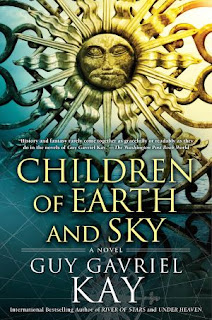 The only fantastical element in this book, except for a ghost that makes a short appearance, is a change in location. The rest is historical fiction in some place that feels exactly like Renaissance Europe, only it has another name and other gods. Worst than that, the story is boring and the writing mediocre. I couldn't finish it.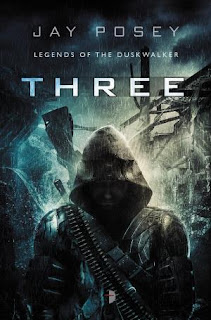
 Cool people are those who respond to your opinions with condescension. Anything different from what they believe is ridiculous, pathetic, laughable or dangerous. I mean, they could even be right: you might have said something really stupid. But while you can handle finding out that something you were thinking is not true, they cannot. Their whole world view is based on them being right. While you might see them as a little hurtful and a bit annoying, they see you as a threat, because their truth is something they desperately cling to and any type of difference challenges their way of life.
 This reminded me of
